Volatile news. Stable spend.
Read the latest in the Coupa Business Spend Index™ Quarterly Update.
Get the Report





The market winced. Business spend held firm.
The Coupa Business Spend Index™ Quarterly Update

Extreme weather across Europe has moved climate risk from a theoretical threat to an immediate operational disruption. Over €208 billion of the €822 billion in European climate damages over the past four decades occurred in just the last four years alone. From severe heatwaves disabling energy infrastructure to wildfires causing $3.6 billion in transport delays and damages, the economic toll on regional supply chains is compounding rapidly, and the climate crisis is escalating into financial stability risk for enterprise balance sheets. Estimated economic losses for France, for example, lie between €10-15 billion.
The direct connection between greenhouse gas emissions, accelerating weather volatility, and supply chain fragility affects business operational stability across every season:
European climate disruptions highlight the direct collision between wildfire risk maps and primary freight corridors:
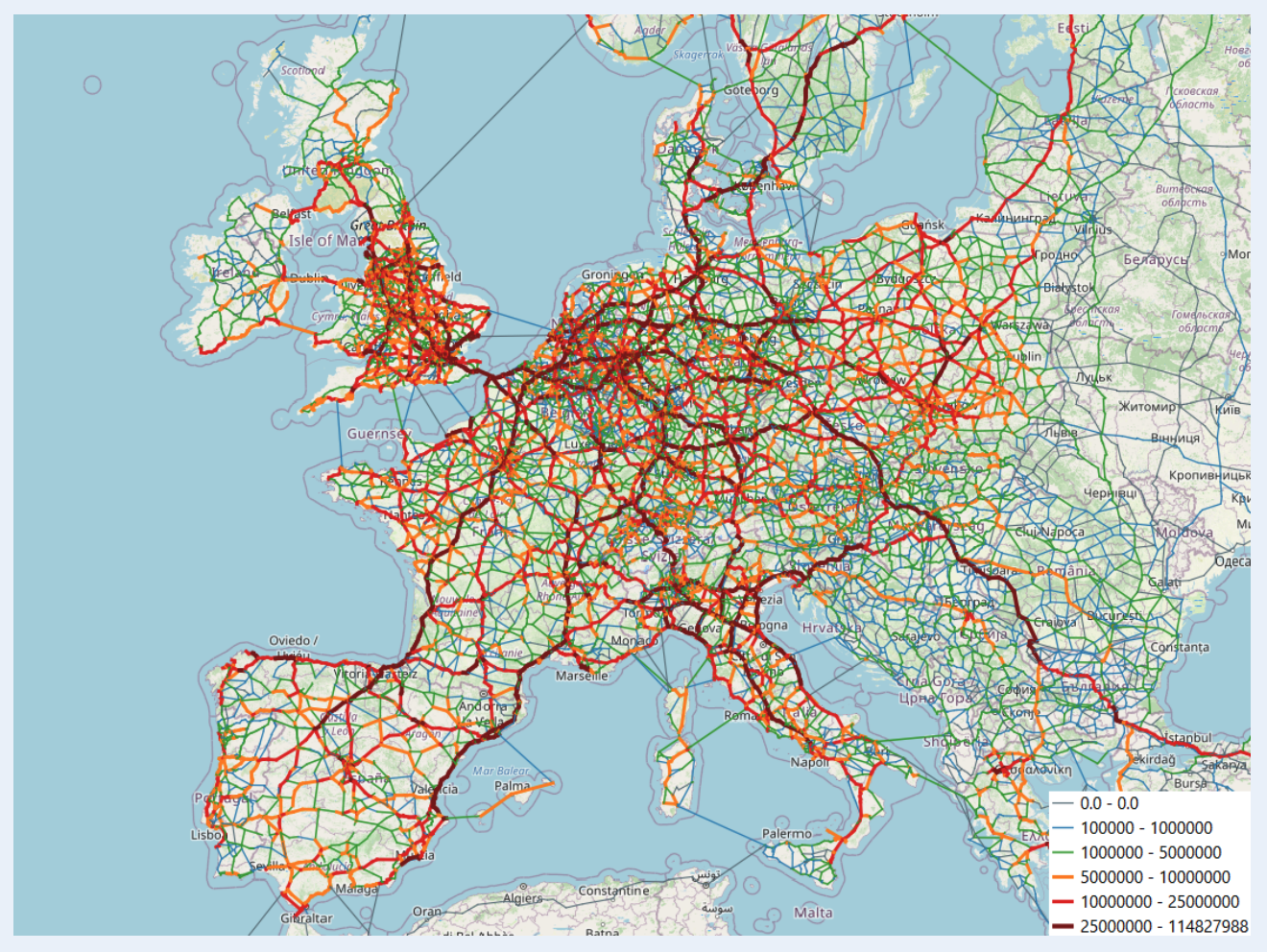
Map of truck flows based on the European Transport Policy Information System (ETIS) project, origin/destination (O/D) matrix. Source: Transport & Environment (2021). Unlocking Electric Trucking in the EU: Recharging Along Highways
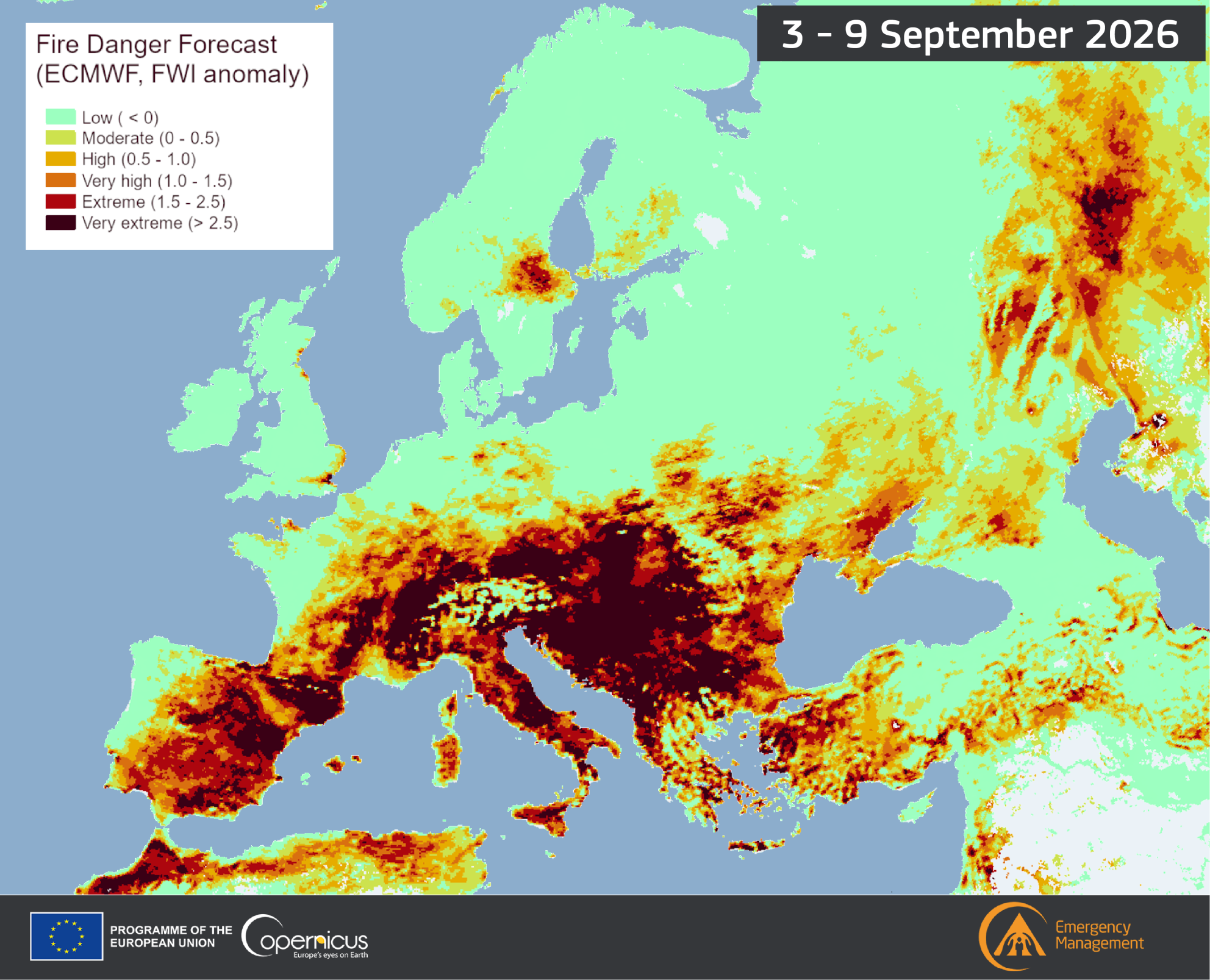
Fire danger forecast from Sept. 3-9, 2026. Forecasts are updated regularly by the The European Centre for Medium-Range Weather Forecasts (ECMWF). Source: Joint Research Centre
Building long-term enterprise supply chain resilience requires moving away from reactive crisis management toward building proactive supply chain resilience.
To insulate operations against escalating climate events, enterprise decarbonization must address root causes. Up to 70% of total corporate greenhouse gas emissions sit within Scope 3 — specifically purchased goods and services, capital goods, and upstream logistics. This places spend management teams at the center of corporate sustainability strategy amid evolving global ESG regulations and reporting standards.
Decarbonization is equally a driver of financial stability:
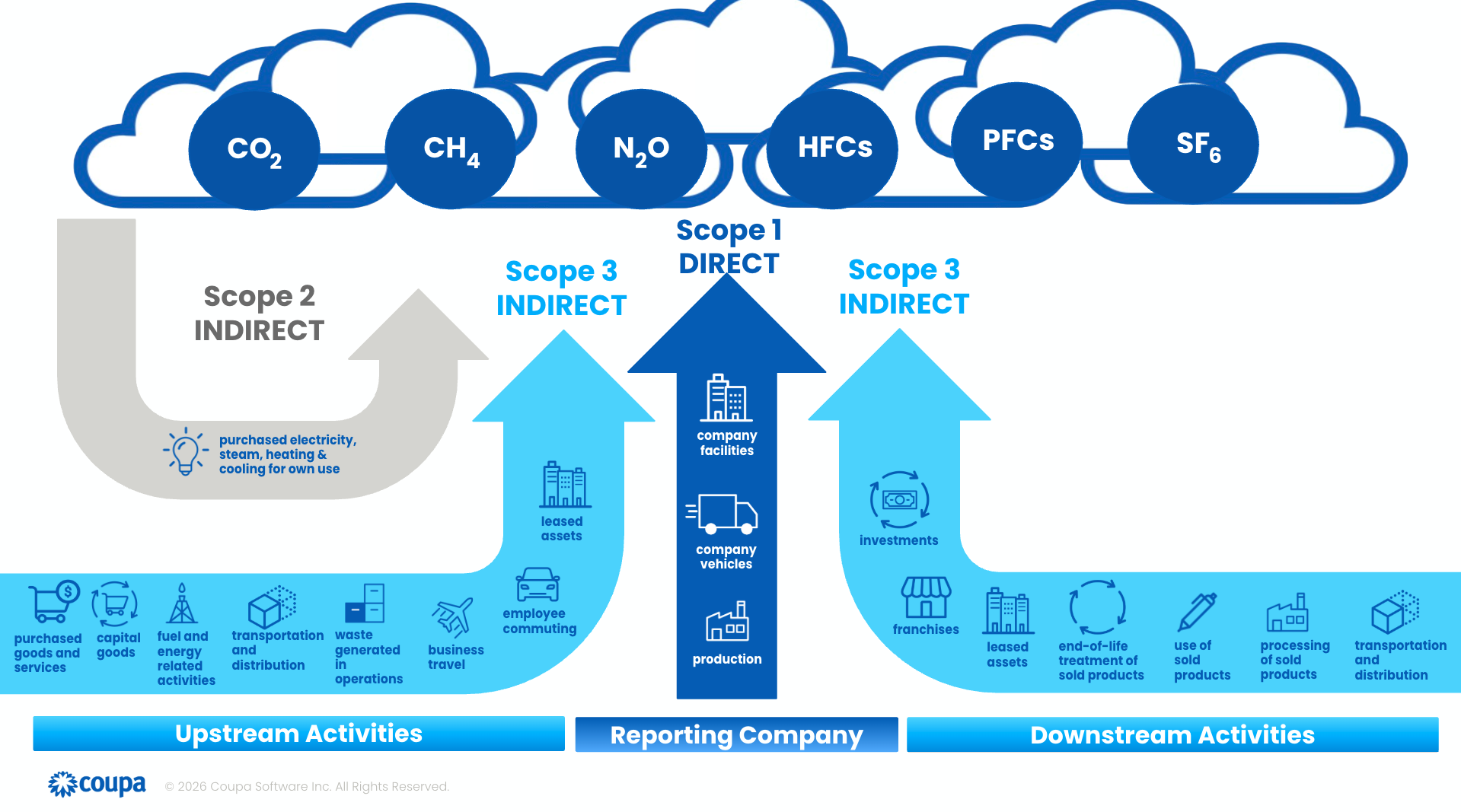
Scope 3 indirect emissions represent up to 70% of total footprint, making procurement the primary engine for reduction.
Coupa bridges the operational gap between corporate sustainability pledges and day-to-day purchasing decisions, transforming spend data into actionable emissions mitigation:
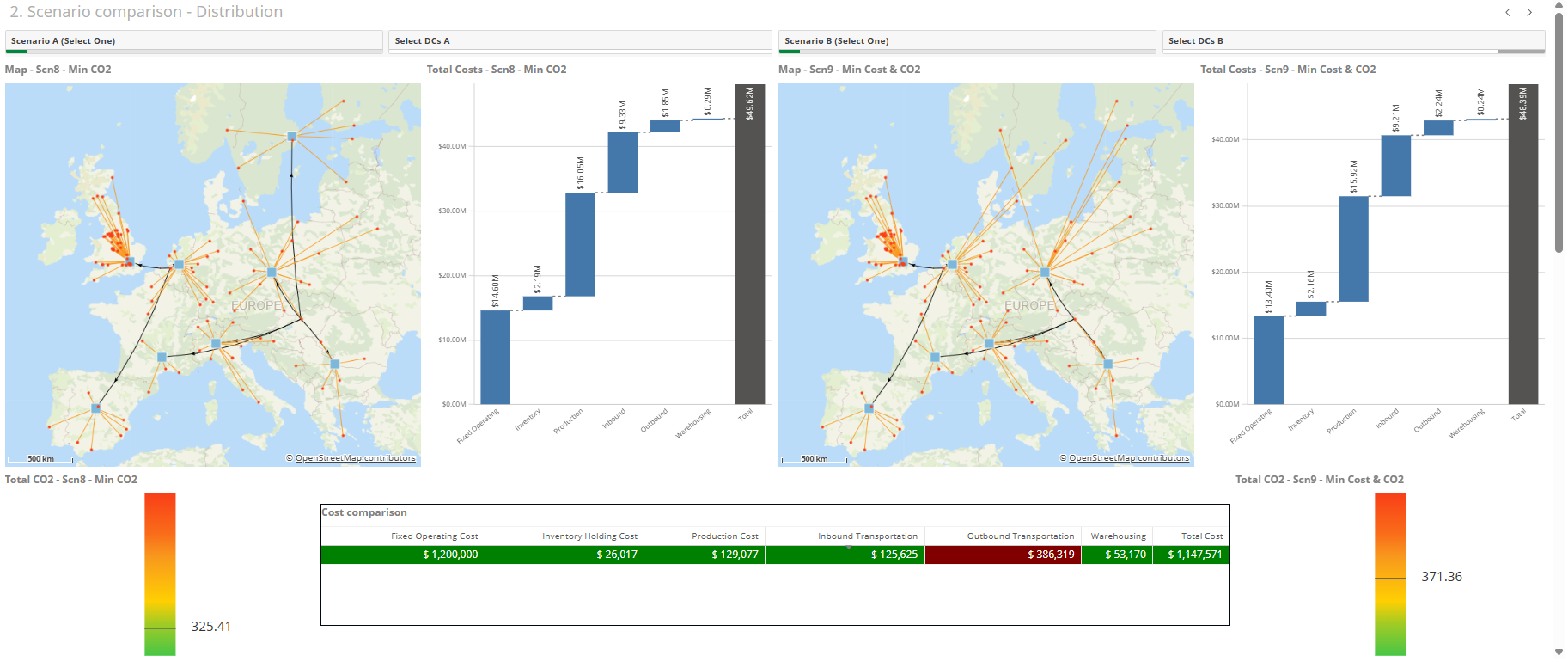
Coupa Consensus video screenshot showing Supply Chain Optimization capabilities
Coupa embeds carbon emissions metrics directly into the spend management workflow.
Global enterprises are proving that proactive carbon reduction translates directly into operational durability. By partnering with Coupa to model 500 GB of supply chain data into a digital twin, Microsoft used AI-driven supply chain data to curb carbon emissions — achieving a 60% reduction across its supply chain operations.
Powered by $10.5 trillion in transactional spend analytics across millions of suppliers, Coupa’s community-generated AI equips procurement teams to protect margins while driving enterprise decarbonization. Tying carbon metrics into daily source-to-pay workflows also allows organizations to maintain compliance under strict frameworks like the European Union’s deforestation mandates, helping turn procurement from a functional buyer into the primary architect of corporate climate resilience.
Unmanaged climate risks and supply chain disruptions don’t have to compromise your enterprise bottom line. By embedding carbon intelligence into every purchasing decision, procurement teams turn supply chain climate risk management into a core operational strength.
Discover how Coupa’s ESG procurement software helps organizations optimize for cost, risk, and sustainability in a single platform.
Oh! It looks like you opted out from using the needed cookies. If you are interested in using the AI Agent, then please opt-in to the cookies in the preference center.
Update preferences